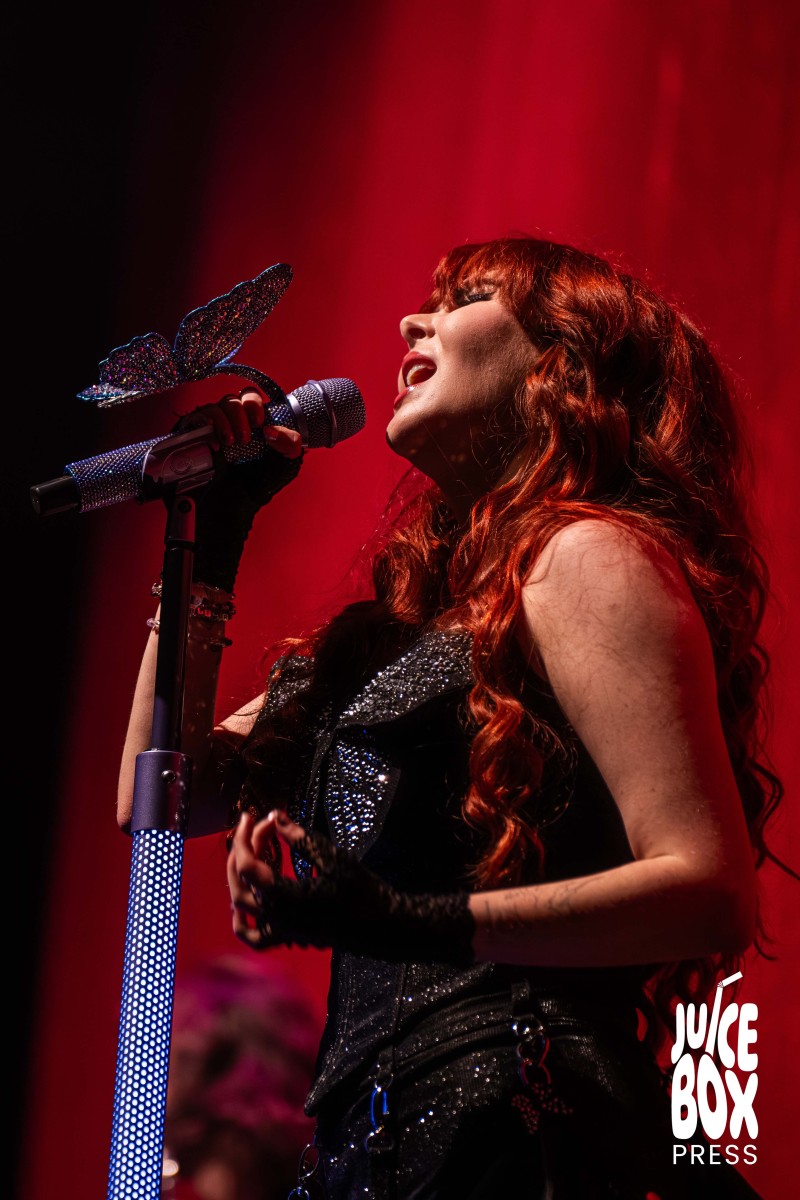
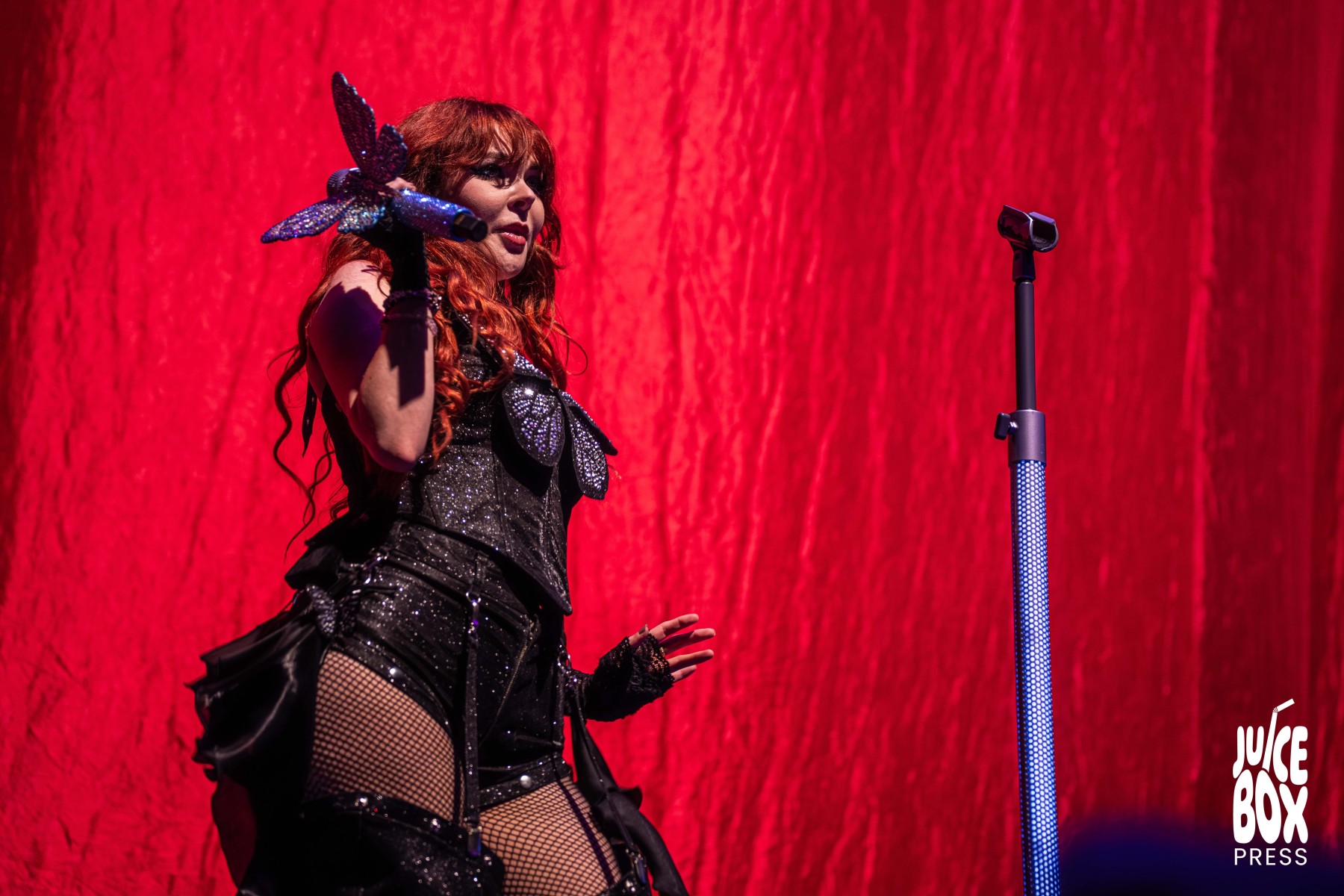
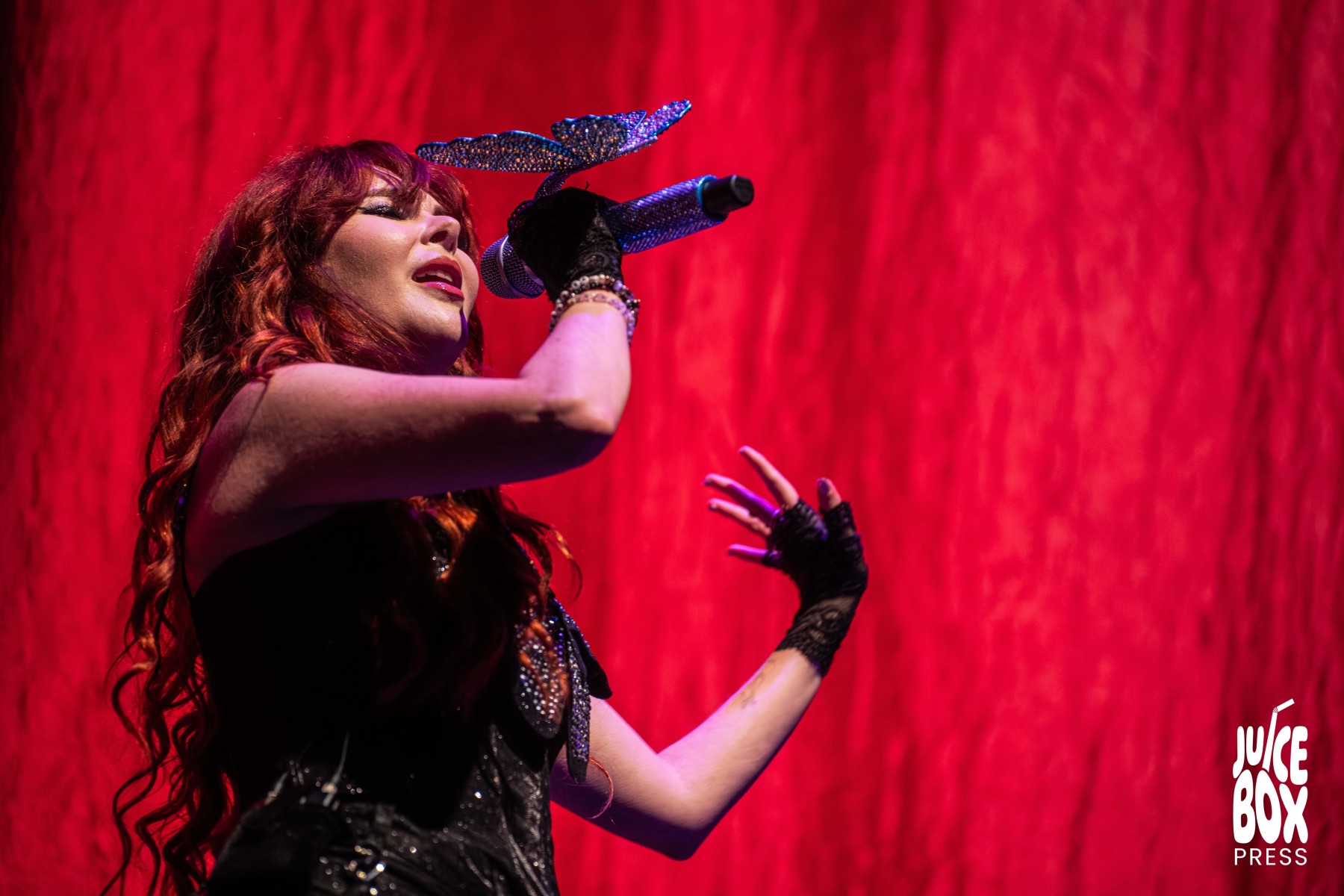
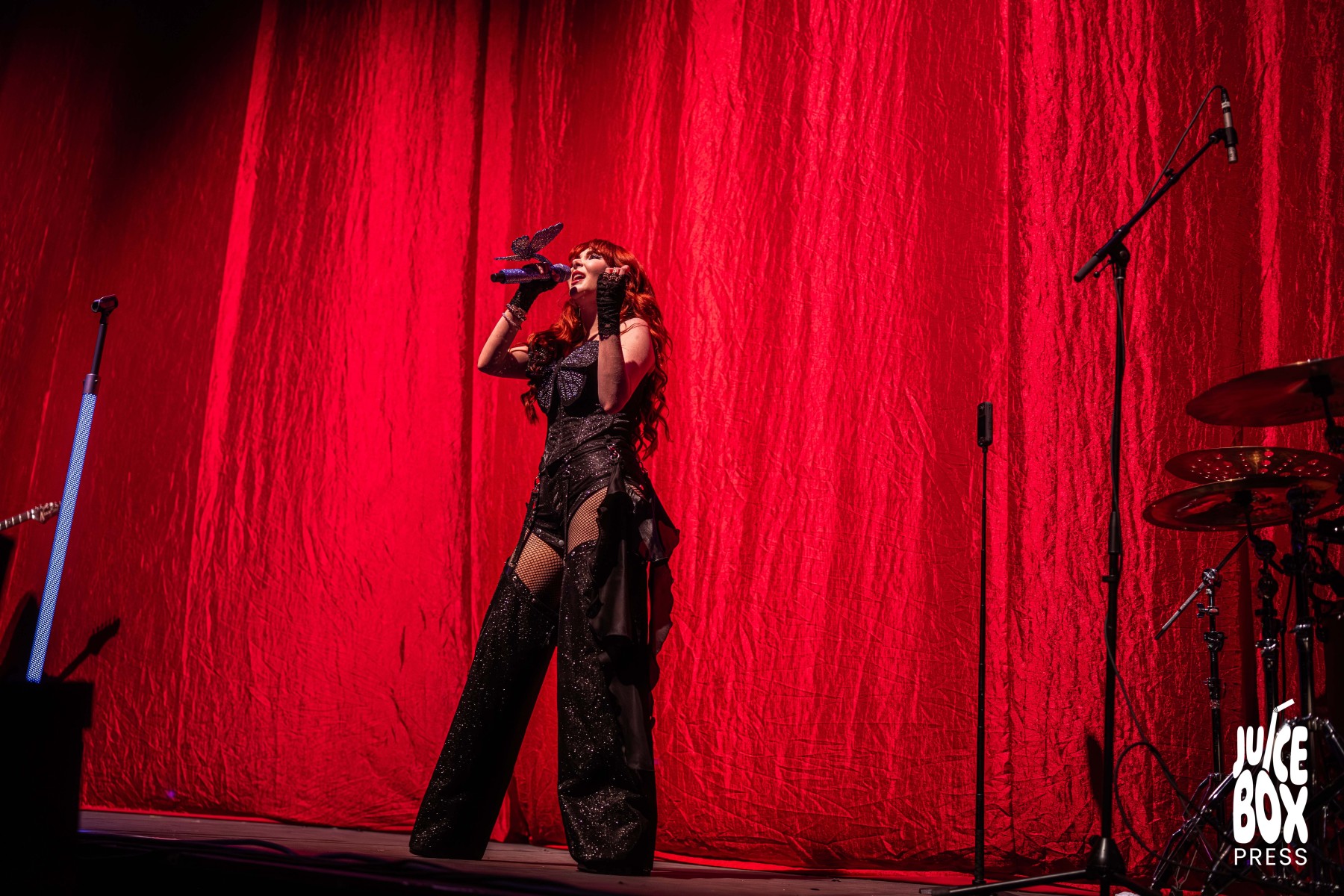
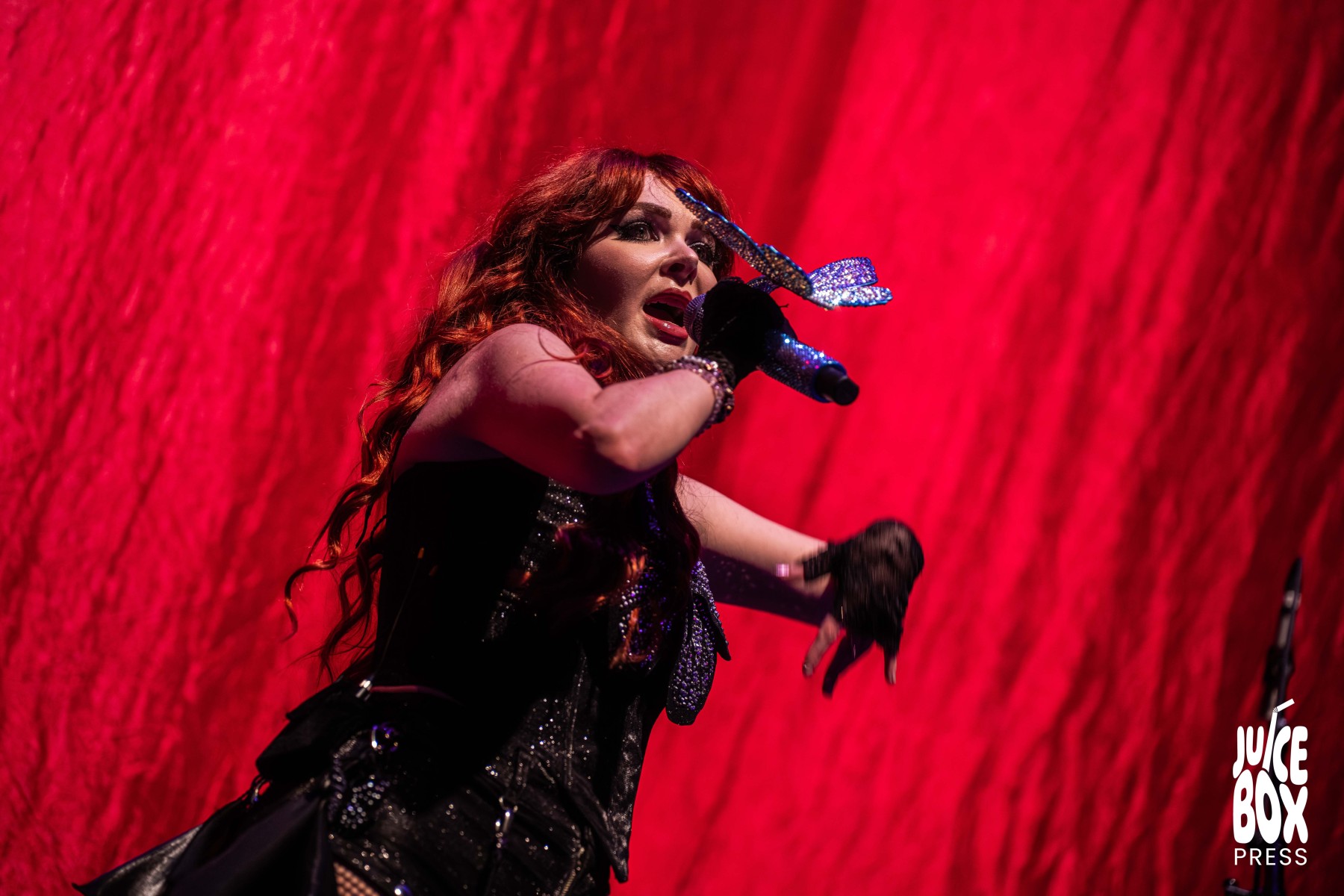
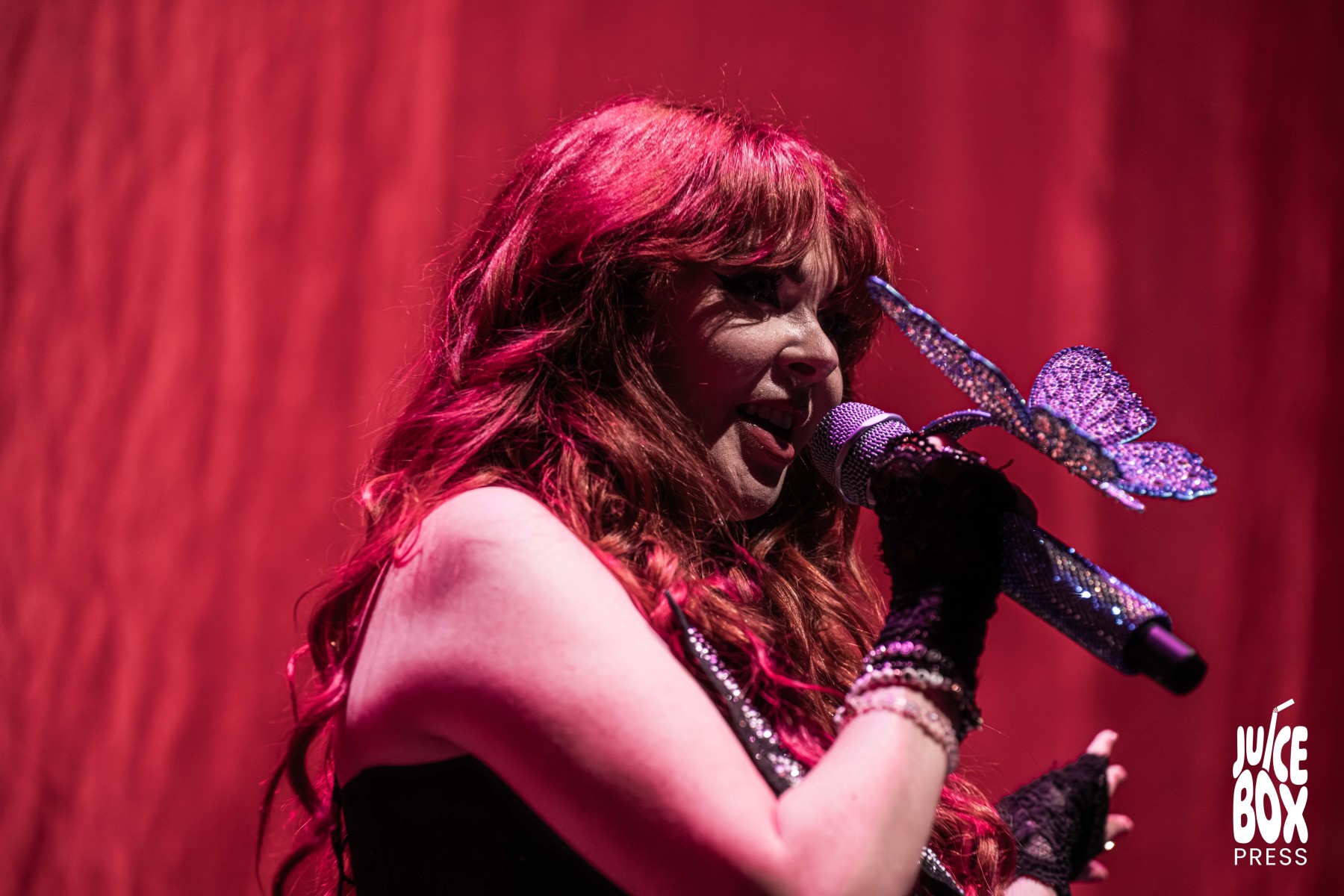
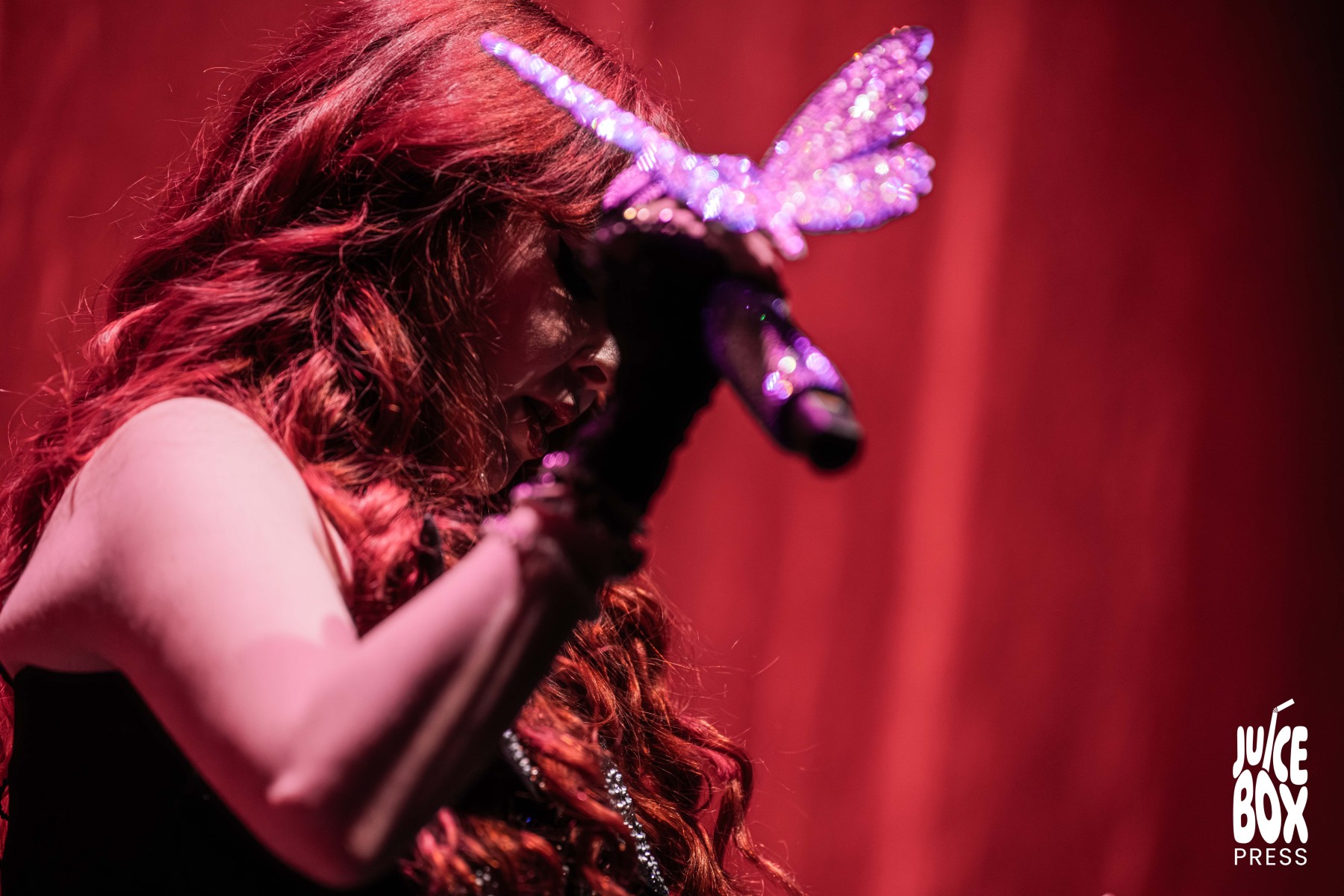
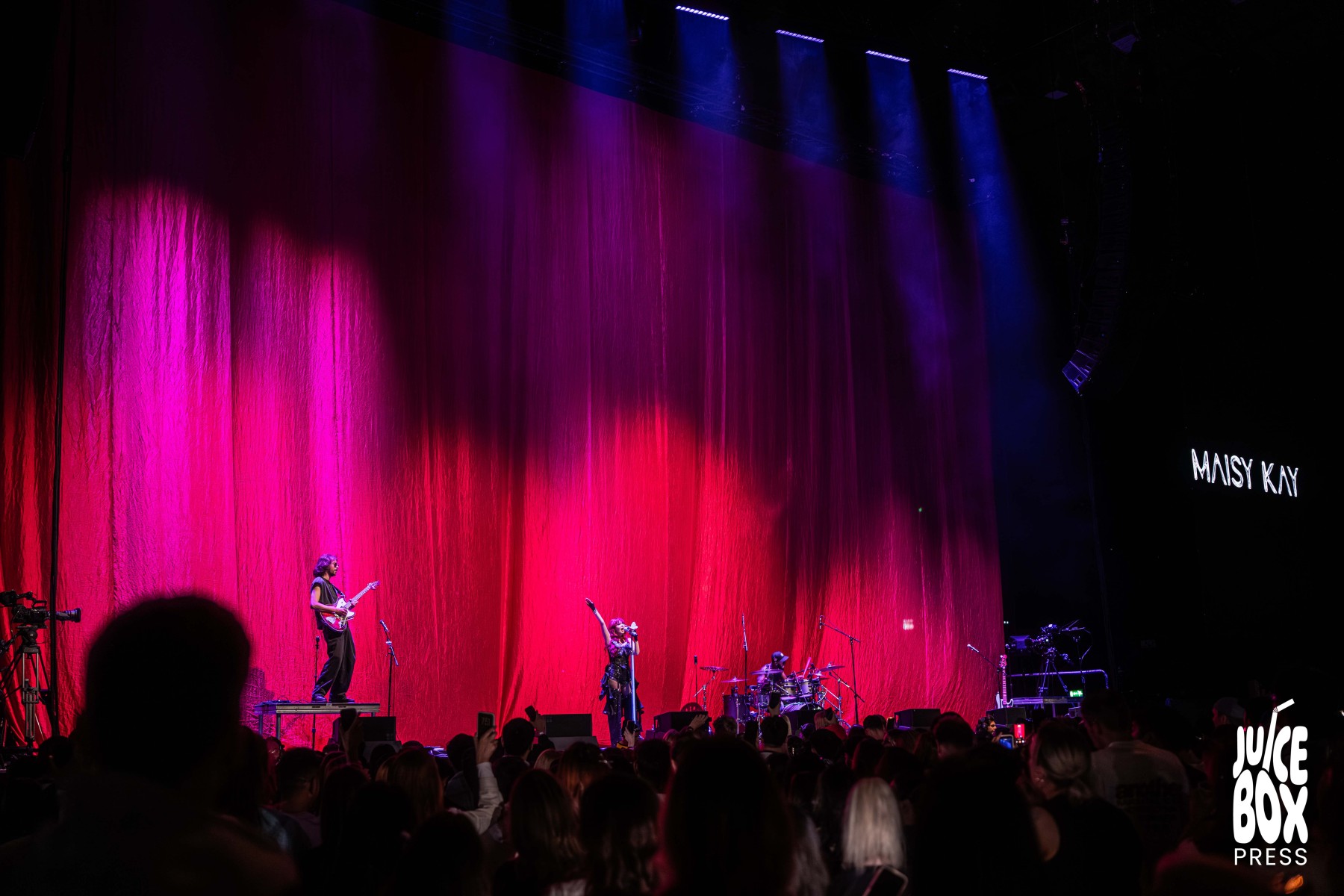
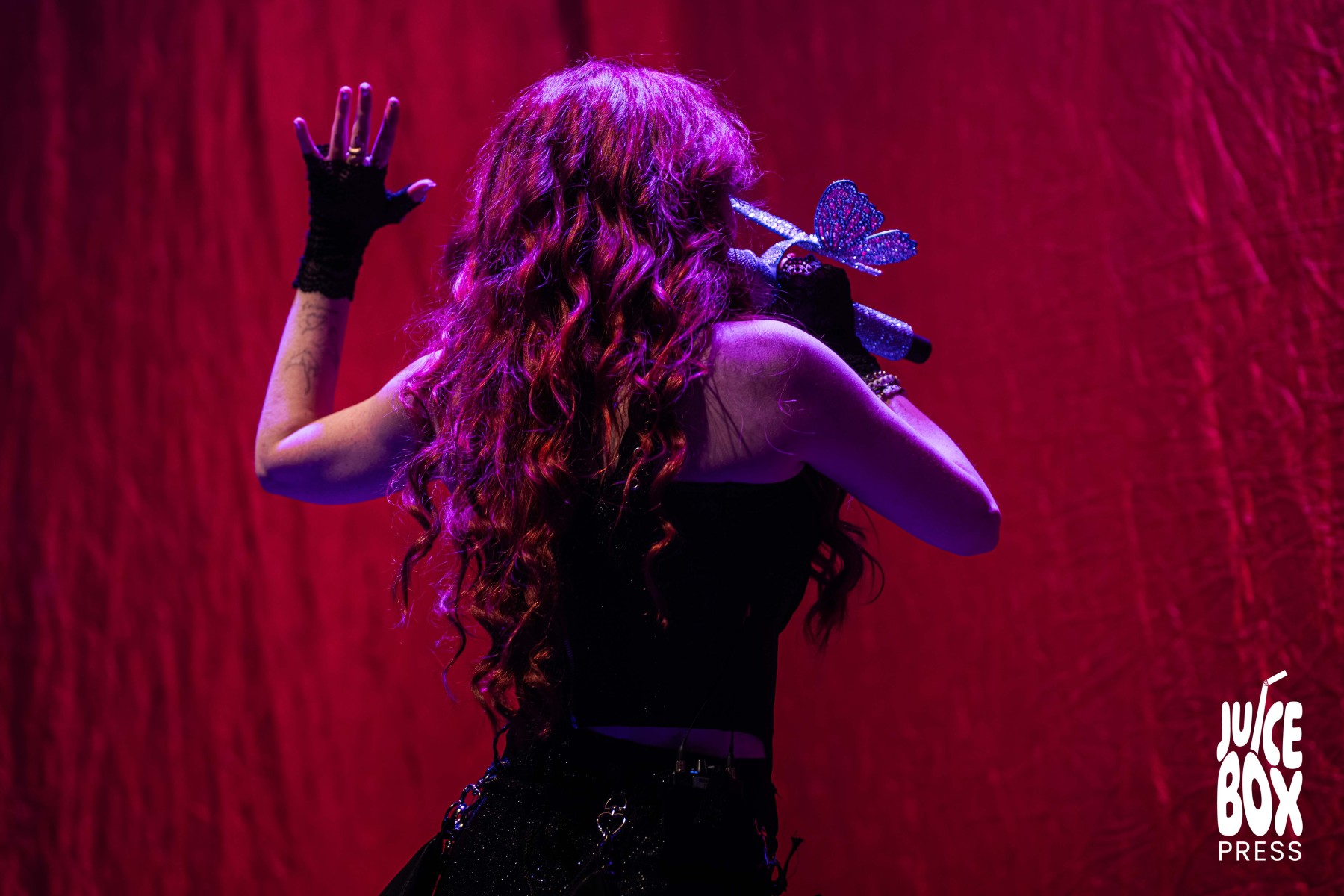
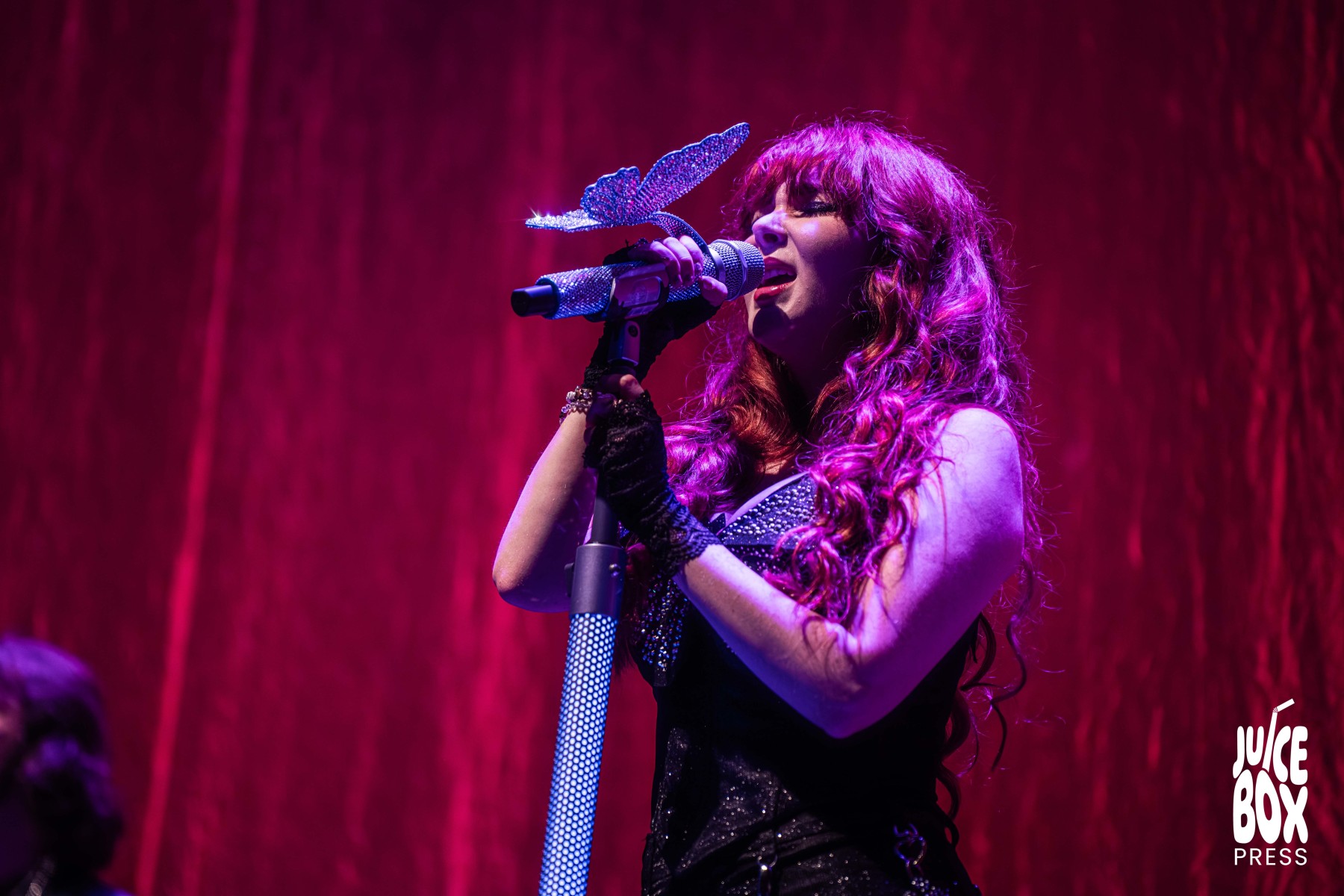
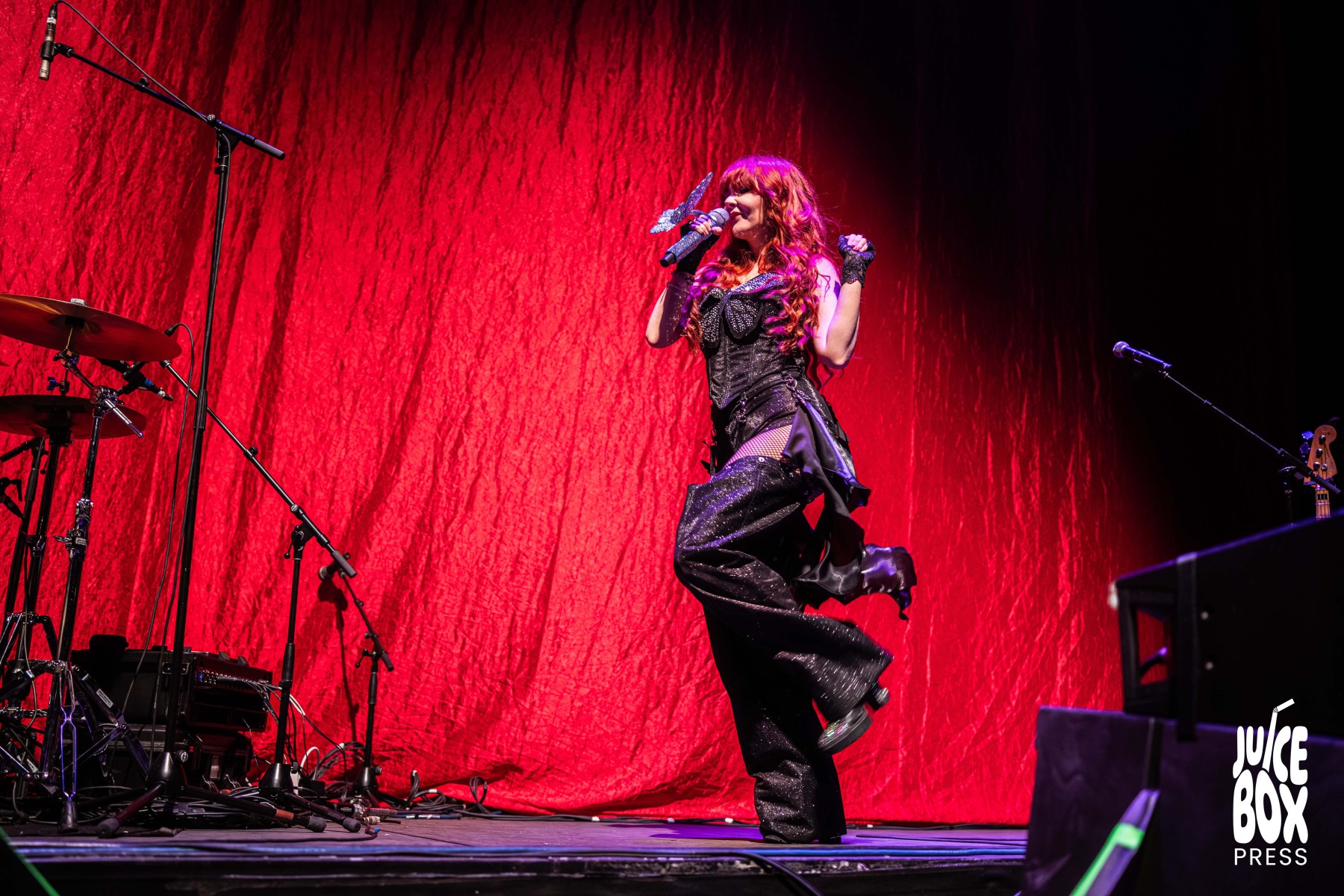
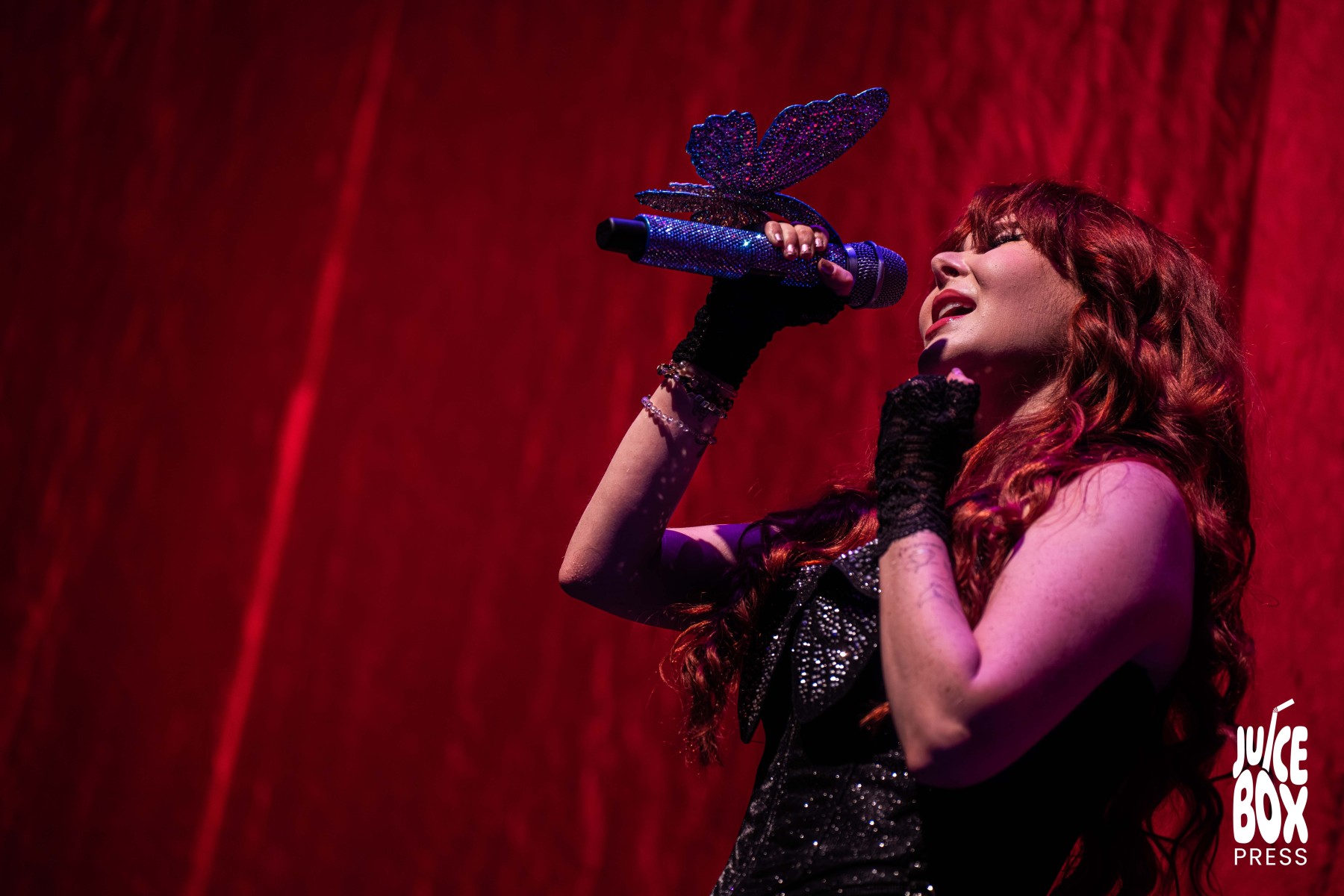
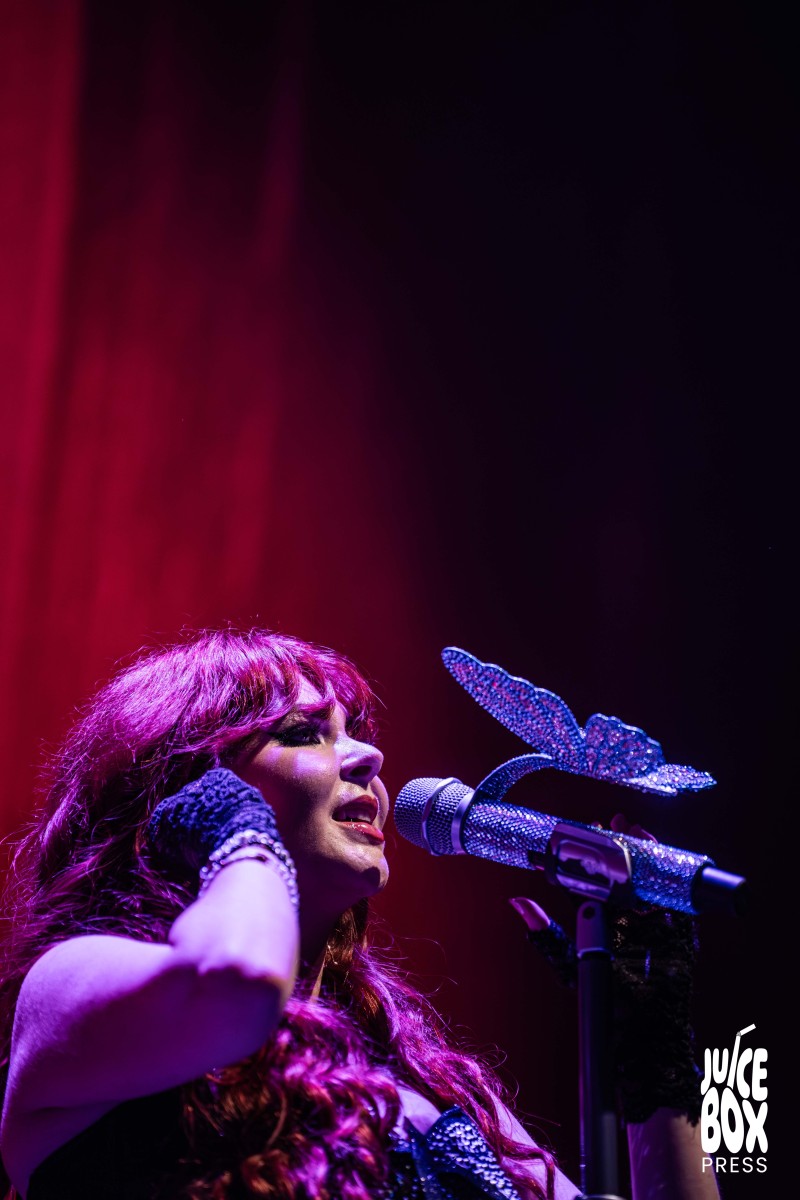
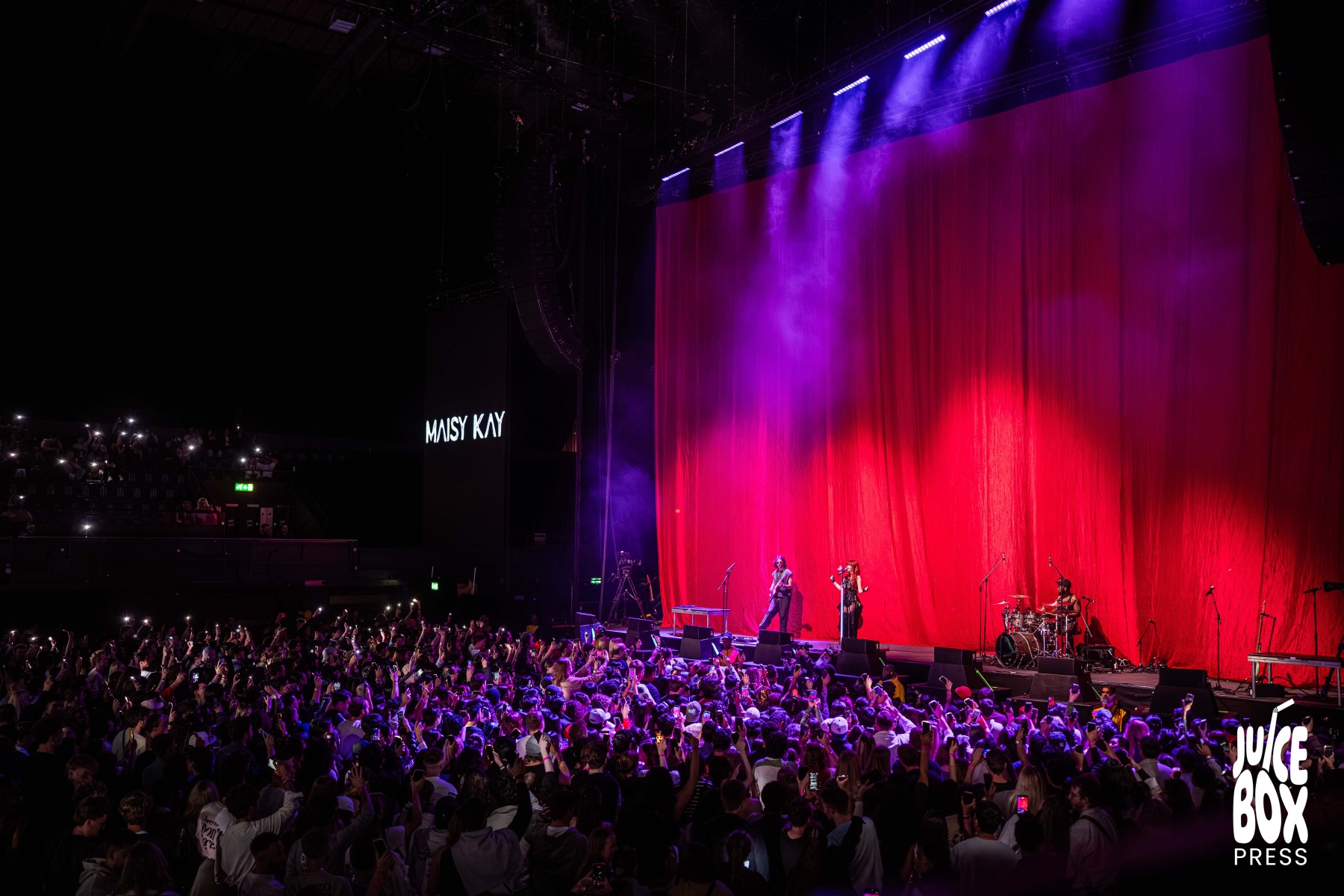
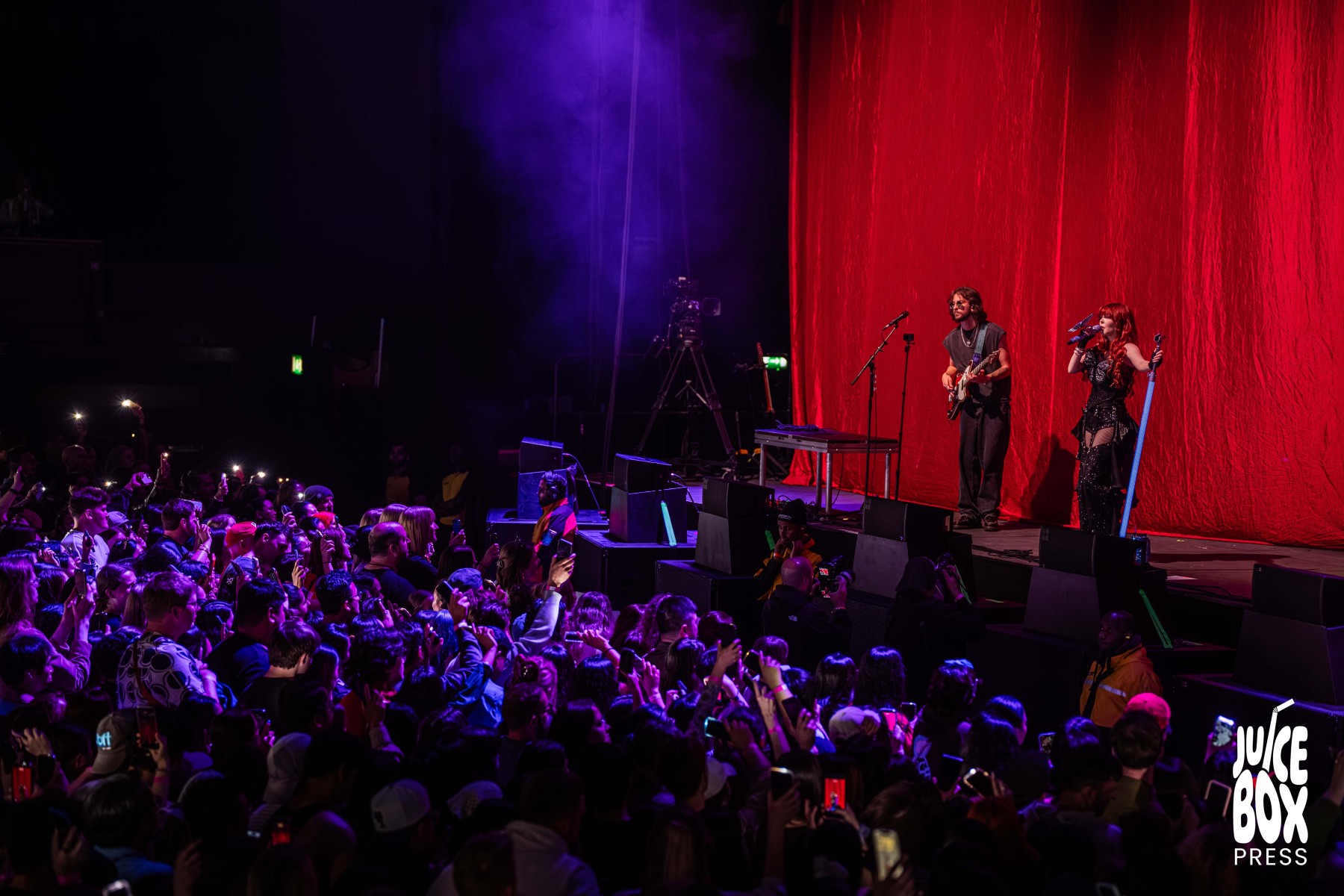
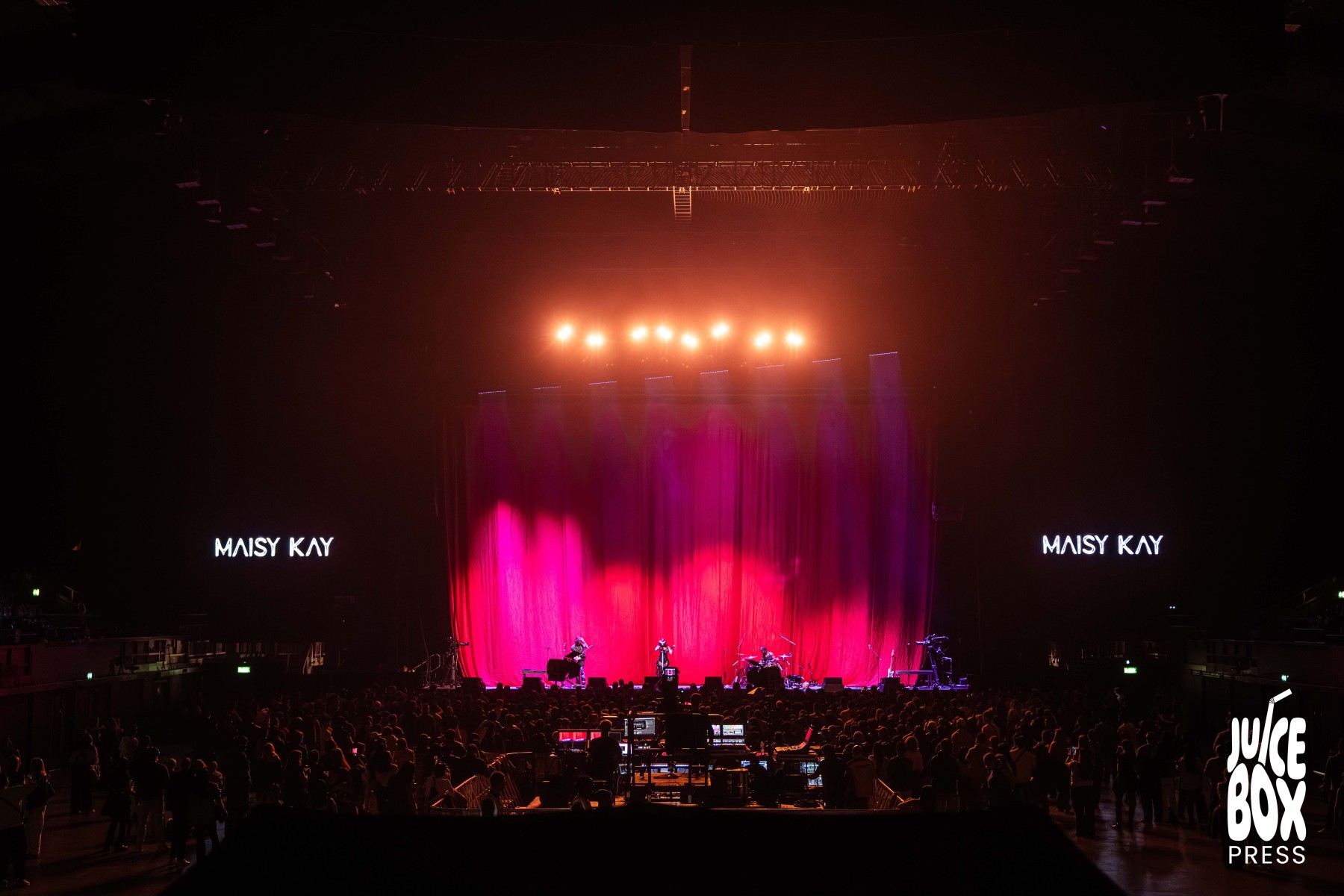
The lights inside OVO Wembley Arena dimmed, and briefly the room seemed to hold its breath. Maisy Kay walked onto the stage with a subtle confidence, framed by sweeping visuals that transformed the arena into something cinematic. There was a theatrical quality to her presence, not in the sense of excess, but in the way every movement appeared carefully placed within the story she was telling.
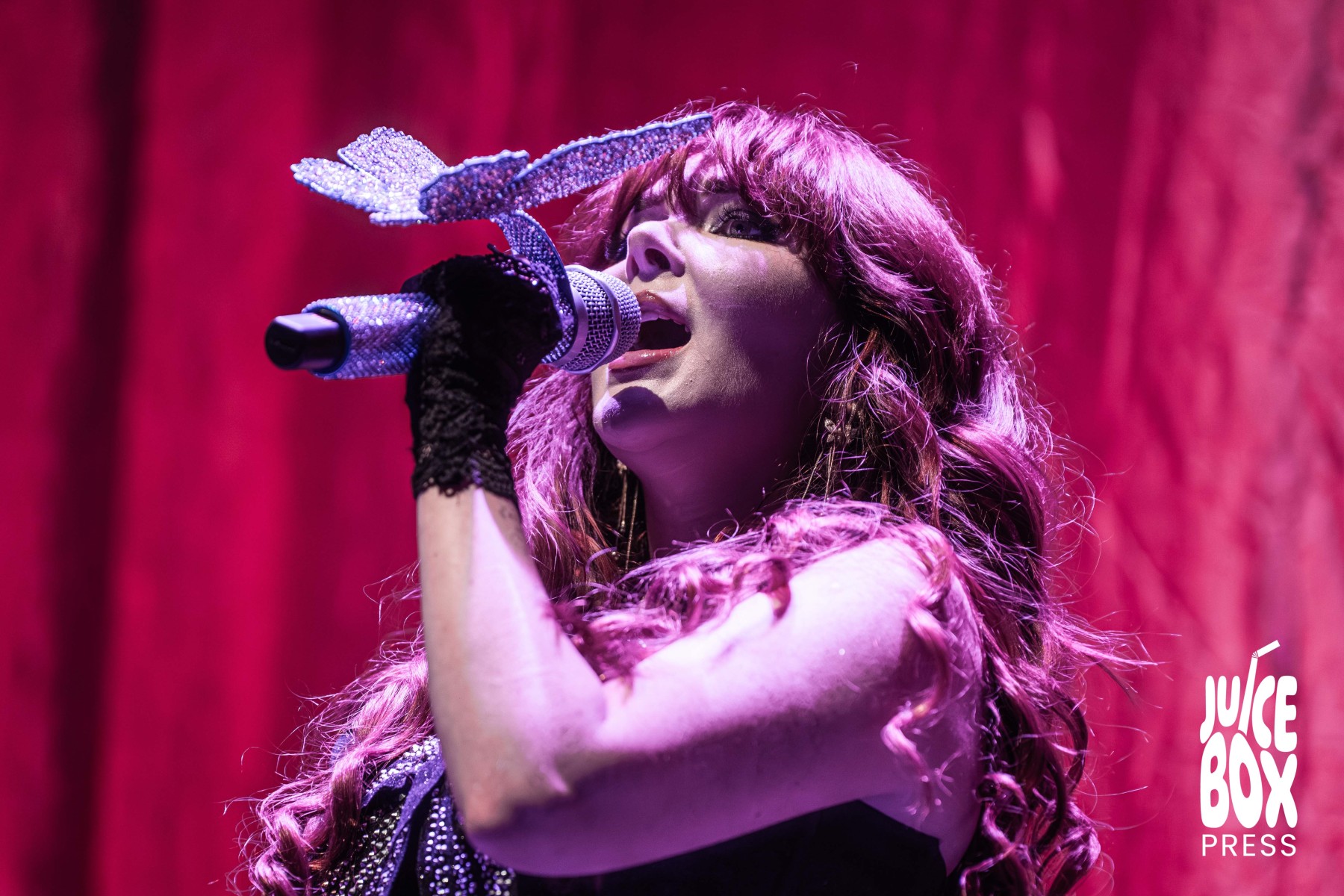
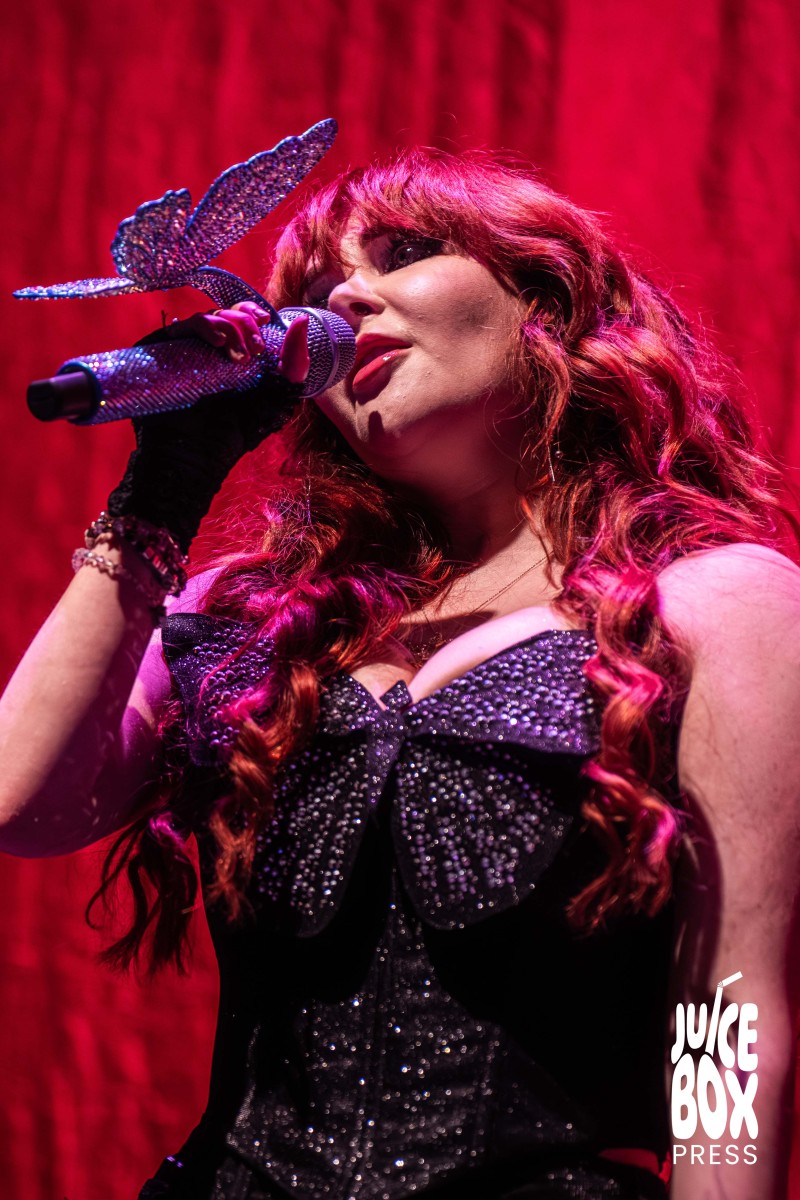
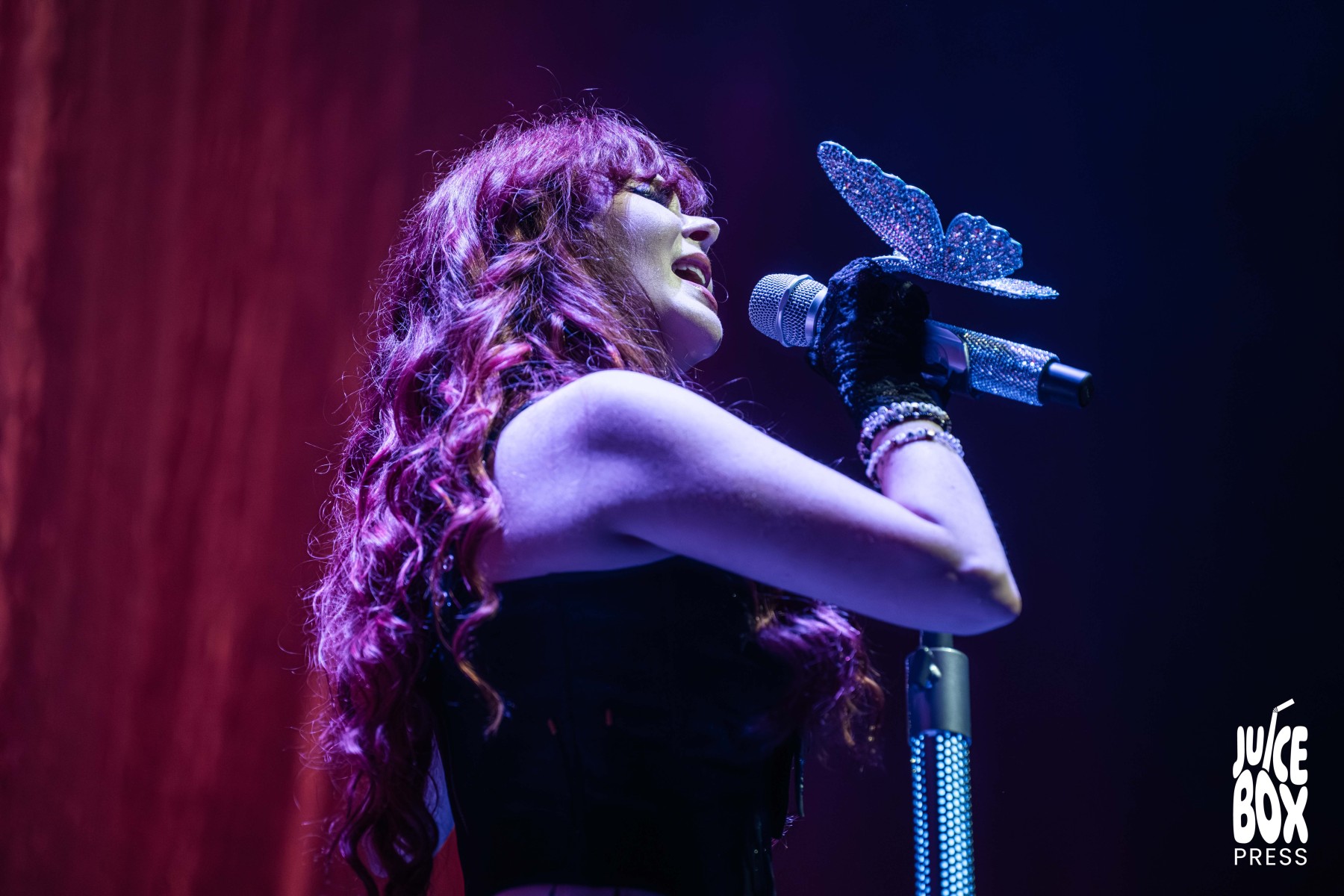
From the outset, she appeared determined to create an atmosphere rather than simply fill time. Her voice traveled effortlessly through the arena, rising above the restless anticipation of the crowd and settling into the space with impressive clarity. The performance came across as less like an opening set and more like an invitation into a carefully fabricated world.
One of the evening’s earliest highlights came with her cover of “Rolling in the Deep.” Taking on a song so closely associated with Adele required a certain level of confidence, but Maisy treated it with intelligence rather than imitation. Rather than attempting to replicate the original’s immense power, she reshaped it through her own artistic lens. The recognizable melody bore a different texture in her hands, retaining its emotional intensity while allowing her distinctive vocal style to emerge. The crowd responded immediately, voices joining hers throughout the arena, creating one of the night’s most communal moments.
That momentum carried seamlessly into “Vantablack.” The song unfolded beneath dark, shifting visuals that echoed its title, producing a sense of depth. Maisy’s vocals moved between vulnerability and power, balancing the song’s dramatic weight with an emotional sincerity that prevented it from becoming overwhelming. Around the arena, the audience watched in near silence, drawn into the atmosphere she had constructed.
The emotional core of the set arrived during “Death of the Party.” There was a sharper edge to the performance, the lyrics carrying a bittersweet self-awareness that resonated strongly in the live setting. The song’s emotional tension lingered long after each chorus faded, hanging in the air as Maisy moved across the stage with growing confidence. It was the kind of performance that revealed new dimensions within a song, exposing details that can sometimes be hidden within a studio recording.
Throughout her set, Maisy Kay demonstrated an understanding of how to work within a venue of this scale without sacrificing intimacy. The production was impressive, but it never overshadowed the music. Instead, the visuals and lighting acted as extensions of the songs themselves, reinforcing the emotions at their core.
What stood out most was her ability to hold attention without relying on spectacle alone. Even within the immensity of Wembley Arena, there was a feeling of closeness to her performance, as though each song was being delivered directly to the audience rather than disappearing into the size of the room.
By the time she left the stage, she had achieved something that many support acts struggle to accomplish in arenas. She had captured the room’s attention completely. The applause that followed felt genuine and earned, not merely polite appreciation but recognition of an artist who had transformed a brief appearance into something memorable.
As the stage was prepared for the night’s headliner, a feeling of anticipation remained, but so too did the impression left by her performance. For a short time, Wembley Arena had belonged entirely to Maisy Kay, and she made every minute count.