
During a conversation with Matthew McConaughey for the Variety and CNN Town Hall, Timothée Chalamet made a statement that quickly set the internet ablaze: “I don’t want to be working in ballet or opera, or things where it’s like, ‘Hey, keep this thing alive,’ even though… no one cares about this anymore.”
Performers and fans of both art forms expressed disappointment, especially given that ballet and opera have endured for centuries, laying the groundwork for much of today’s entertainment landscape.
Among those who responded was Misty Copeland, a trailblazer and the first African American female principal dancer with the American Ballet Theatre (ABT). Speaking on a panel for Aveeno, Copeland addressed the controversy directly: “[Chalamet] wouldn’t be an actor and have the opportunities he has as a movie star if it weren’t for opera and ballet and their relevance in that medium. So all of these mediums have a space, and we shouldn’t be comparing them.”
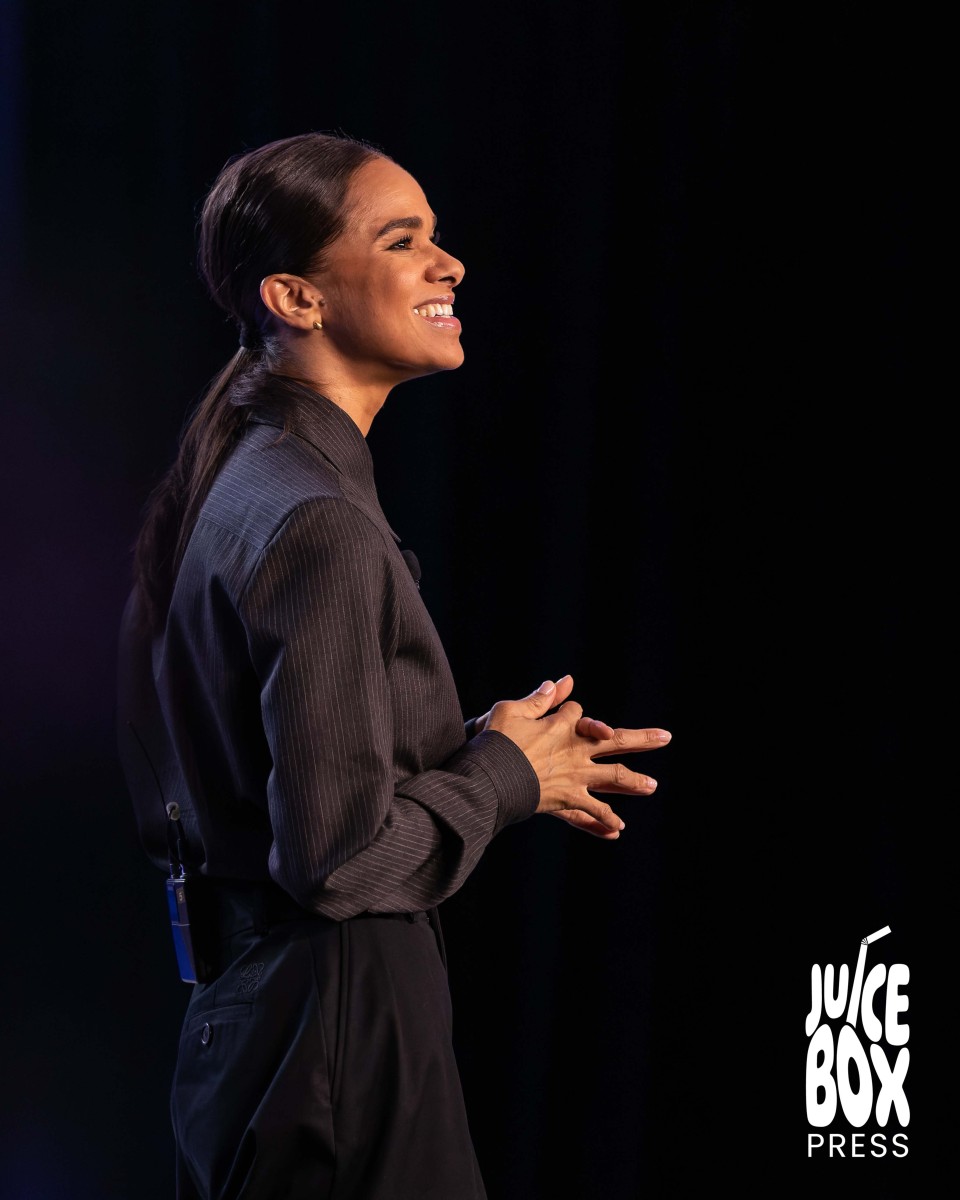
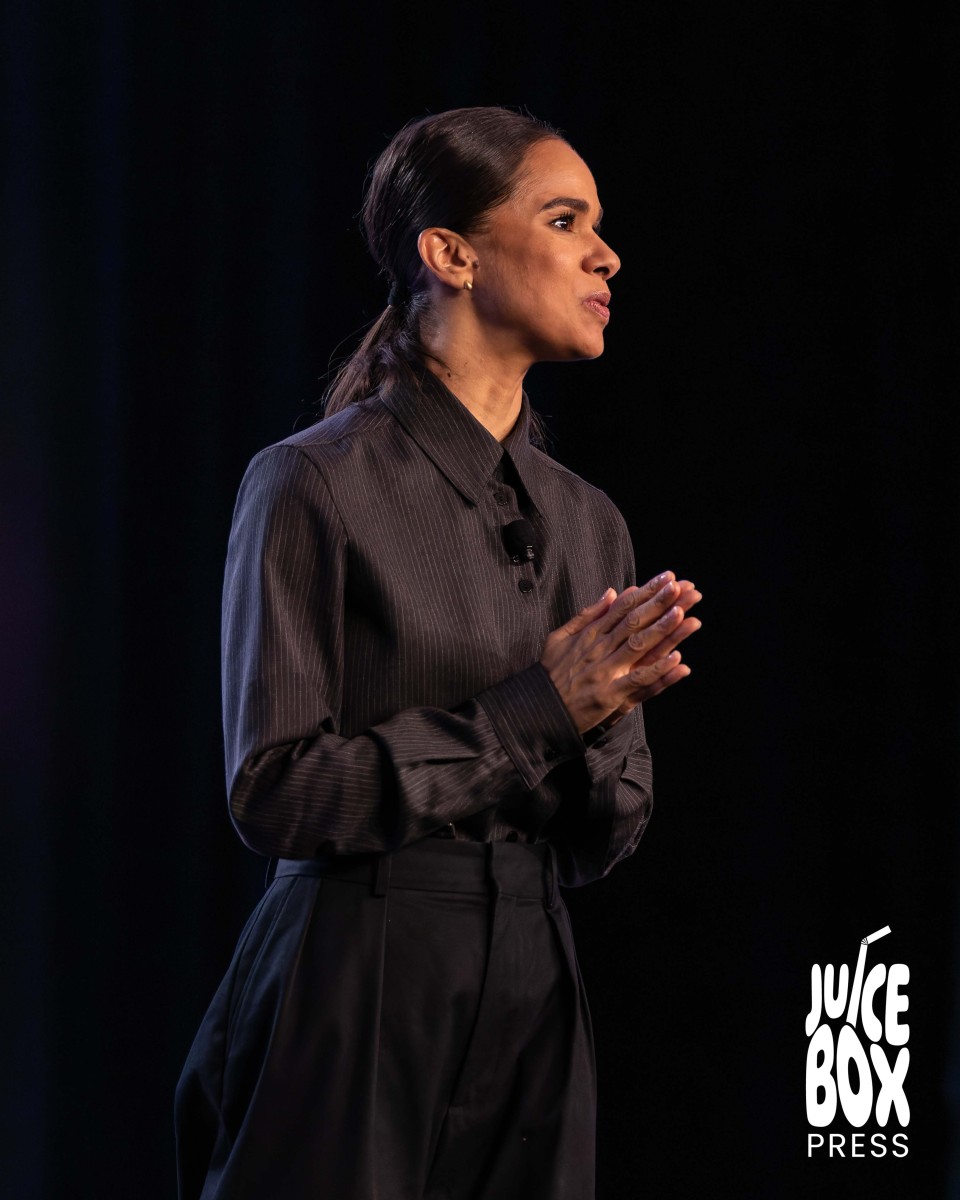
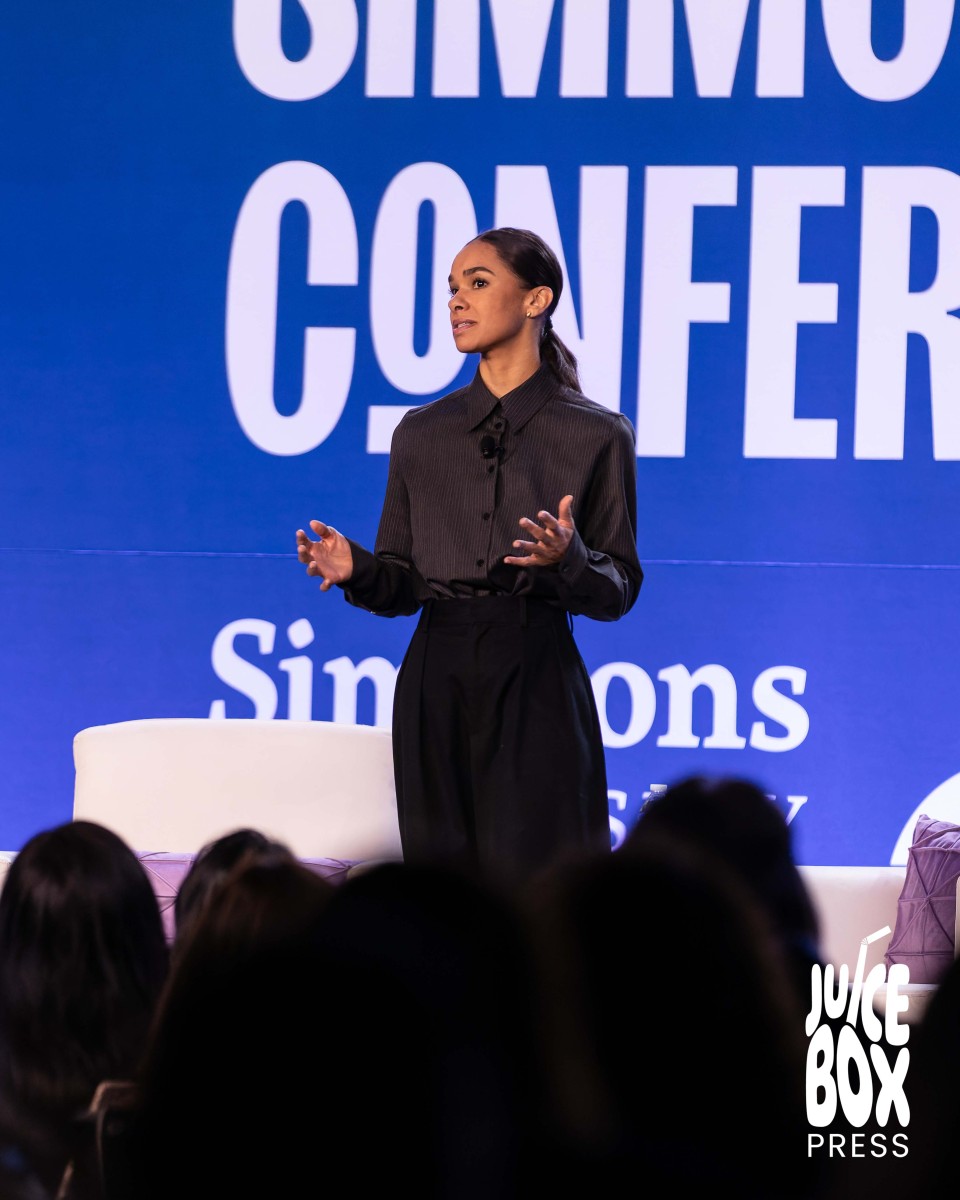
For Copeland, this perspective is more than commentary; it’s lived experience. At the Simmons Leadership Conference, hosted by the Simmons University Institute for Inclusive Leadership, she shared the story of Raven Wilkinson, an African American ballerina who once dreamed of achieving what Copeland has accomplished.
Copeland explained that Wilkinson was the first Black ballerina to sign a full contract with a major American ballet company, the Ballet Russe de Monte Carlo, in 1955, touring the American South at the height of the Civil Rights era.
Copeland shared how Wilkinson “was separated from the rest of her company on the tours. She stayed in different hotels, received death threats for dancing ballet from the KKK until the company told her she could no longer dance with them, that it was no longer safe. But not just for her. It was no longer safe for the other dancers as well. That is how they sent it to her, that it was just her time, her time was up. That’s how it was framed. So she left.”
Learning about this largely undocumented history shook Copeland, explaining, “In all my years of training, all my years at ABT, no one had said her name to me. Nobody mentioned this woman, a woman who had done what I was attempting to do decades earlier with fewer resources, with no visible support system, with active opposition. And I had grown up not knowing she existed.”
Copeland eventually had the chance to meet Wilkinson, who, by happenstance, lived just a block away from her on New York’s Upper West Side. When Copeland stepped into the role of Odette/Odile for American Ballet Theatre’s “Black Swan,” Wilkinson was in the audience witnessing something she never thought she would see in her lifetime.
“Before her, my story felt like mine. It was my journey and my struggle and my firsts,” Copeland said. “And after her, I understood that I was a part of a lineage—that the women who came before me, who were denied, who were turned away, who kept loving this art form in whatever ways were available to them, they were in the room with me every time I performed. Their persistence was part of what made my presence possible. And my presence was part of what made the next woman’s path a little less impossible. That is a profound thing to feel, and it changes you. It moves you from thinking about your own ceiling to thinking about someone else’s floor. Raven helped me to see beyond myself.”
So when Ryan Coogler, the trailblazing director of “Sinners,” asked her to be part of his 2026 Oscars performance, it was an immediate yes. Despite being only five months post–hip replacement, she explained to Simmons Leadership Conference moderator, Joyce Kulhawik, “I really felt like it was important to be there.”
“Sinners,” though fictional, draws on historical themes, including race and the legacy of the Blues. The Oscars performance honored that legacy with artists who continue to carry it forward, from Brittany Howard and Shaboozey to Alice Smith and Copeland herself.
Copeland’s first principal role with the American Ballet Theatre was Firebird, so to honor that milestone, she wore a Firebird costume for the performance. However, it wasn’t just any costume. “It was actually a costume from the Dance Theater of Harlem, which I felt had even more significance in the history of black women and dancing role with the Firebird,” Copeland shared.
She continued, “I was wearing the original costume that was created in 1982, worn by Stephanie Dabney for the Dance Theater of Harlem – Jeffrey Holder designed the costume.”
When Kulhawik revisited Chalamet’s comments, especially after spotting him front row at the Oscars, Copeland’s response was short but powerful: “he can just donate to the ballet.”
Copeland understands what investment, particularly time and intention, can do. Others’ investments helped blaze a trail for her, and now she’s created formidable ballet shoes to fill.
Learn more about Simmons Leadership Conference here.



Amelia Cordischi, Founder and Editor-in-Chief of Juice Box Press, is an accomplished digital marketing professional with over a decade of experience in media and communications. Her work has been featured in notable publications, including The Boston Globe. A communications graduate of Simmons University in Boston, Amelia served as manager of Simmons College Radio (“The Shark”), where she also launched and co-hosted her radio show, The Find.
In addition to her editorial work, Amelia is an established freelance photographer, with bylines in Blended Magazine and CelebMix, capturing artists and cultural moments across the music and media landscape. Her career began at WCVB-TV’s Chronicle, the ABC affiliate in Boston, where she gained firsthand experience in broadcast journalism and storytelling.
When she’s not taking photos from the photo pit, interviewing emerging artists, or crafting the next Juice Box Press feature, Amelia can be found thrifting and exploring the world of sustainable fashion.