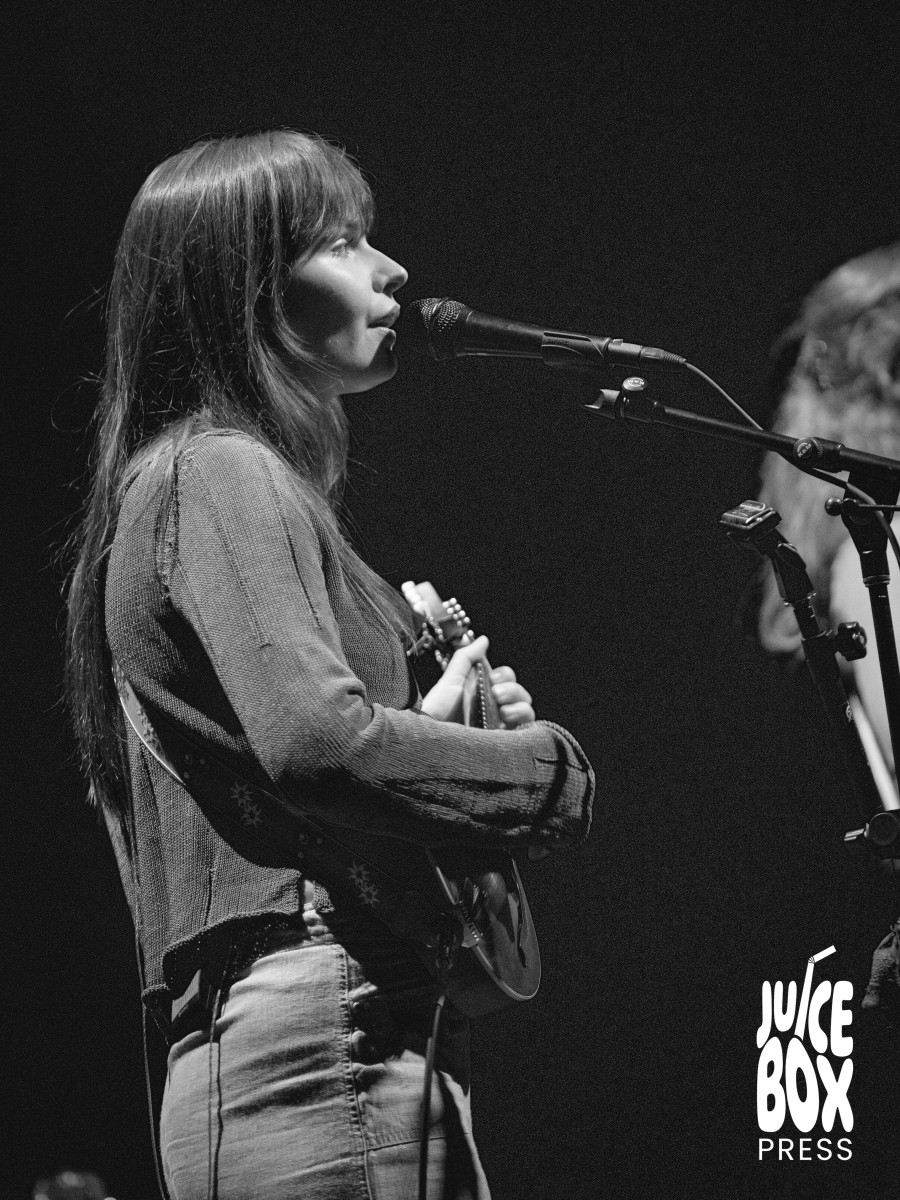
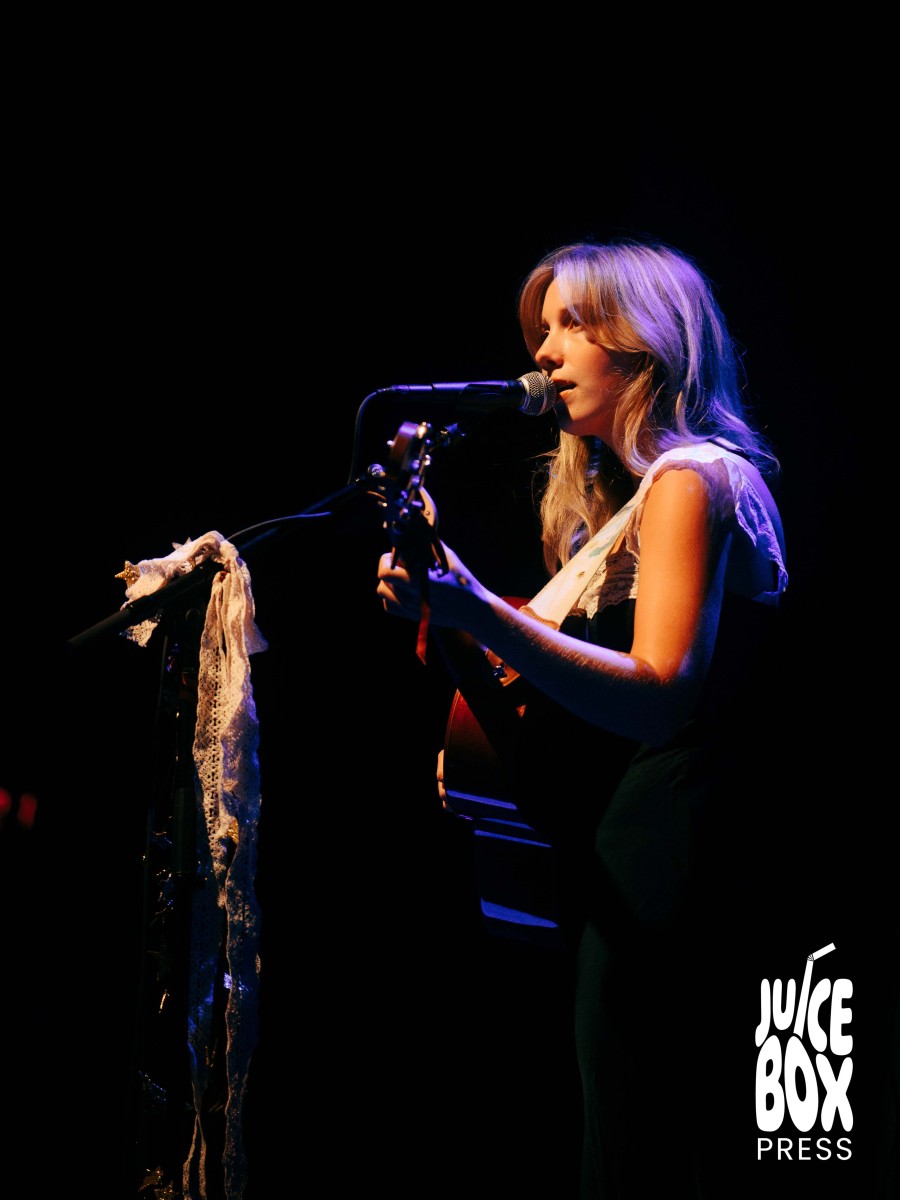
A year ago, Mon Rovîa played The Royale in Boston. Friday night, he nearly sold out Roadrunner, the largest room on his entire Bloodline Tour. That trajectory tells you something about where this artist is headed, and the show itself told you why.
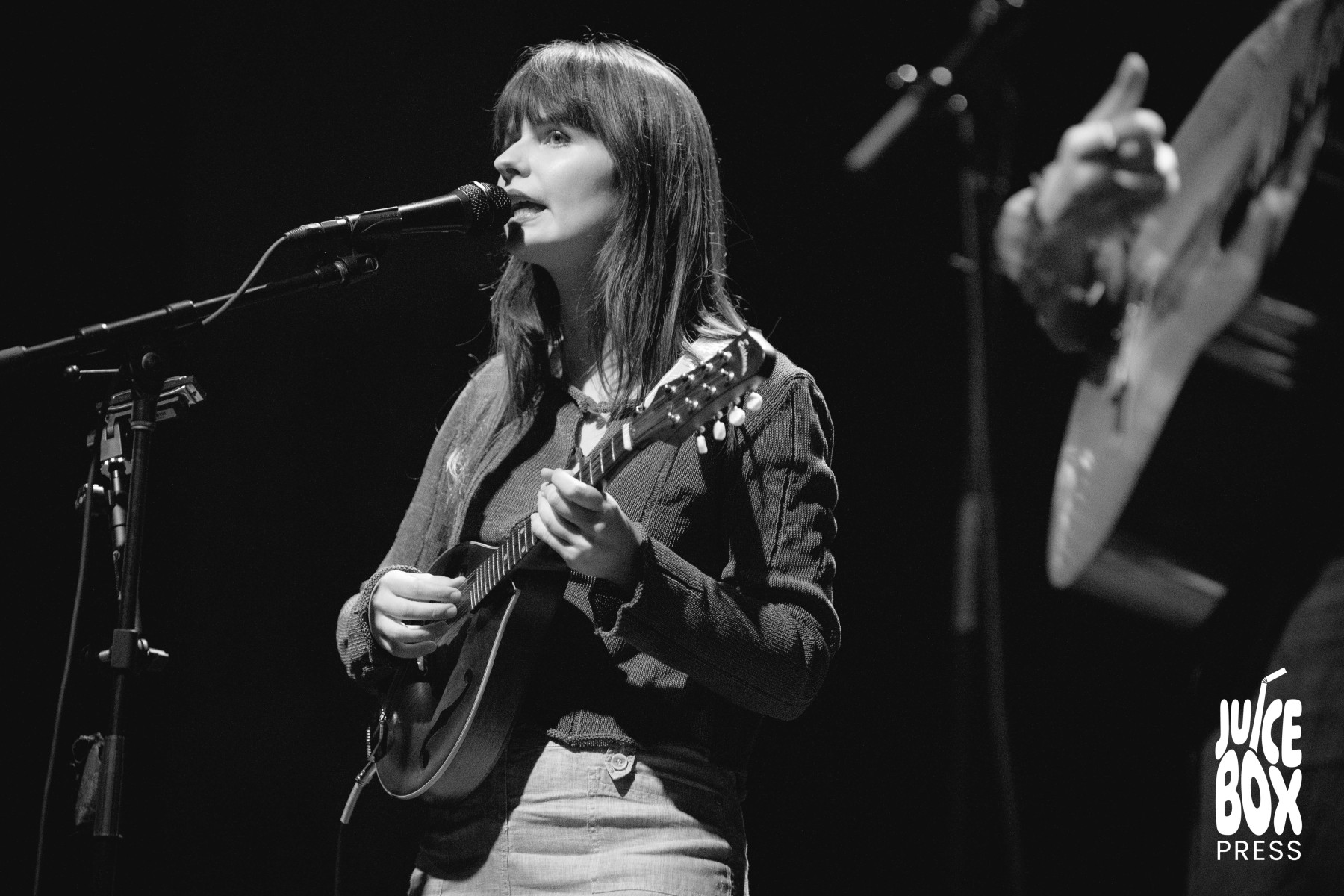
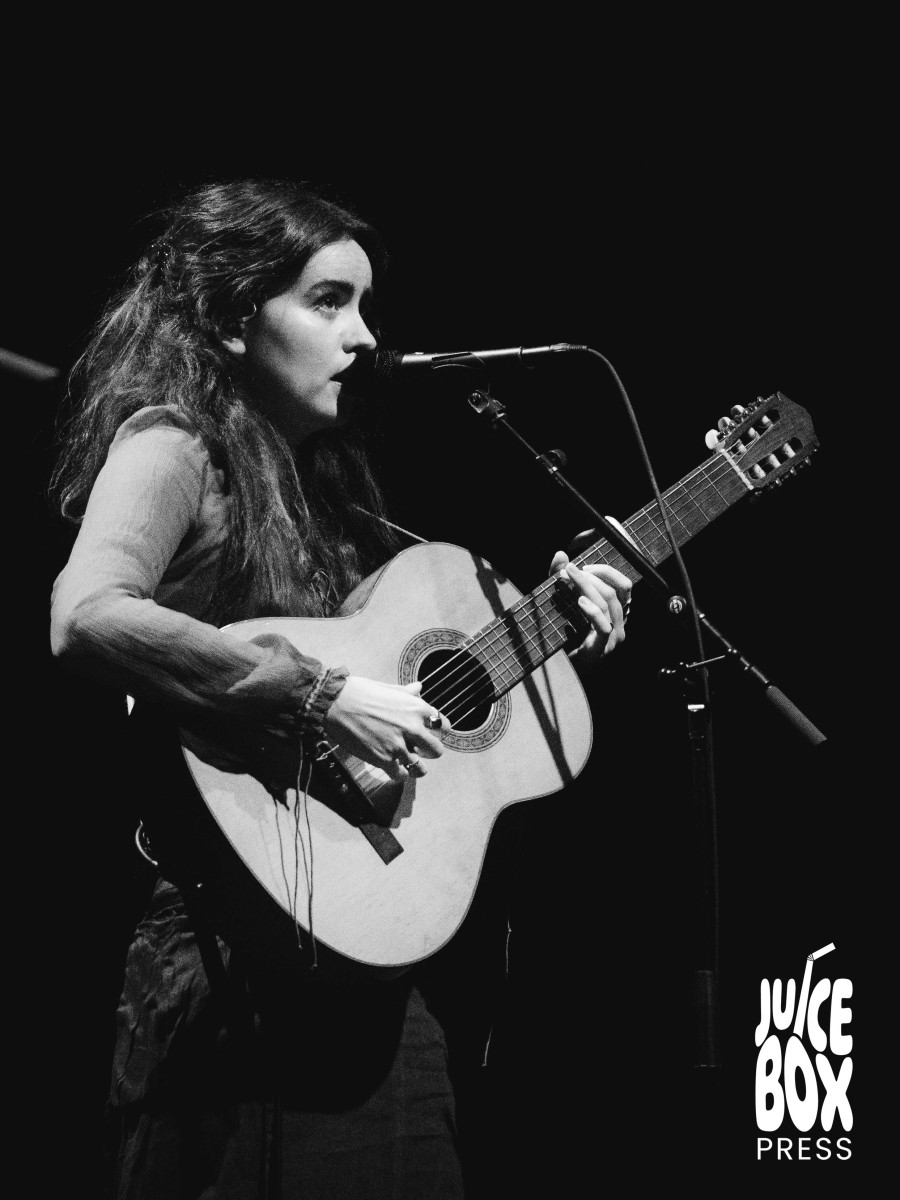
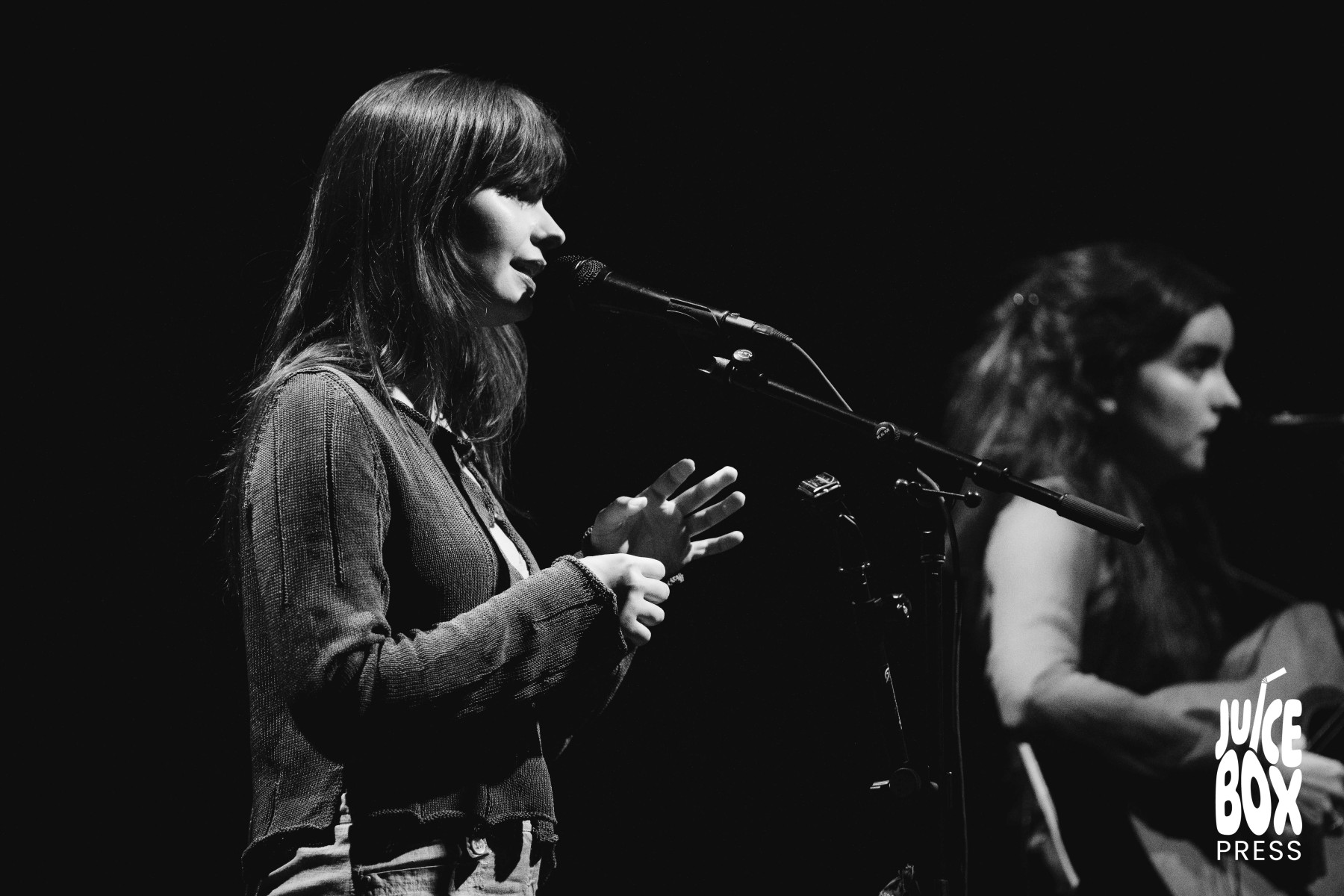
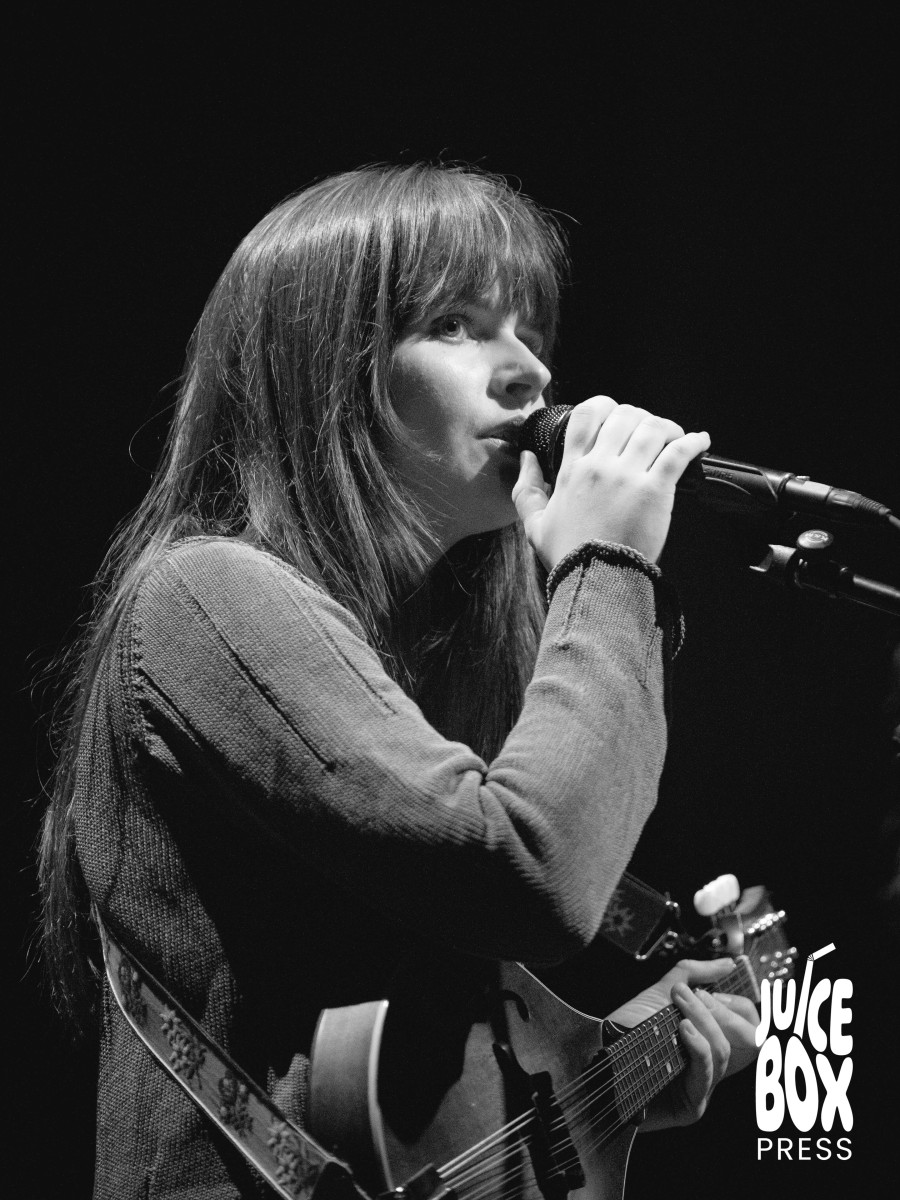
Sarah Julia opened first, the sister duo from The Netherlands, with a short acoustic set of just voices and guitars that set a tone of quiet but attentive for the evening. Sydney Rose followed with a slightly longer set in the same understated register. It’s rare to see a venue the size of Roadrunner hold this still for one opener, let alone two, but the crowd was at rapt attention before Mon Rovîa took the stage, a mix of listeners who had been following him for years and a contingent that had come specifically for Sydney Rose and found themselves staying.
When Mon Rovîa finally appeared, the two women from Sarah Julia took their places in the back and remained there for most of his set, their voices weaving into his seamlessly. His recorded music translates beautifully to a live setting, the Afro-Appalachian folk sounds of Bloodline filling Roadrunner with a warmth that a room that size doesn’t always work well with. What comes through most watching him live is how genuinely earnest he is. There’s no mask, no performative moments. He just seems like exactly who he is.
He used the space between songs thoughtfully, speaking about growing up in Liberia during the civil war, his experiences with adoption, and the personal history that runs through Bloodline‘s storytelling. These weren’t polished anecdotes read off a teleprompter. They felt like someone trusting a room full of strangers with something real, and you can tell why his music resonates so well with his fans.
The night’s most striking moment came midway through the set when Mon Rovîa, his band, and the Sarah Julia vocalists gathered around a ribbon microphone for “Infinite Pines.” This has been becoming increasingly common in shows lately, and it’s a welcome addition. Earlier in the set, Sydney Rose had joined him for “Pantheon,” an unreleased song performed in an even more stripped-down configuration that gave the room a preview of something not yet recorded. Both moments felt like the kind of thing you feel lucky to have been present for.
Mon Rovîa closed on “Heavy Foot,” a song whose lyrics have taken on particular weight in recent weeks.
“Do you see the man on the screen, Just a puppet though you never see the strings, Calling it a war not a genocide, Telling us ‘It isn’t what it seems,’ Man, that’s a different kind of greed.”
It was a quiet night, but in the best sense. No theatrics, no spectacle, just a near-sold-out room paying full attention to an artist with something worth saying and the voice to say it.
Nathan Smith is a Providence-based music photographer and journalist focusing on capturing the special moments and unfiltered magic of live performances. Whether he’s shooting established artists at sold-out TD Garden shows or documenting the rise of emerging local bands, his goal is the same: to pull viewers directly into the heart of the moment.
His writing spotlights rising artists and local scenes, with a focus on telling the stories that often get overlooked. A lifelong music fan and musician himself, Nathan approaches interviews and portraits as conversations rather than transactions, building trust with artists so their genuine personalities can shine through. Whether he’s backstage, in the photo pit, or at home in front of the keyboard, he brings the same curiosity and care to every assignment.
Outside of his press work with Juice Box Press, Nathan works regularly as a photographer with the Boston Symphony Orchestra, as well as numerous bands in the Boston and Providence area. Nathan also plays violin with a local orchestra, follows Celtics basketball almost religiously, and is an avid fantasy reader.